This is the story of a parrot who hated people. He plucked himself so much he became semi-nude. There are many reasons for over plucking and one of them is stress and boredom. In other words conditions due to an emotional state. In this instance …
Martin, the guy in the video, who has 50 years of rescuing animals and who is a specialist in rescuing and rehabilitating eagles says that wildlife rehabilitators normally only survive for about three or four years because of the emotional stresses that the task places …
NEWS AND ANALYSIS: The RSPB in the UK has criticised the British government for missing wildlife conservation targets and misleading the public in their efforts concerning conservation. They argue that Britain has lost a decade in terms of wildlife conservation. Britain agreed certain targets in …
Love this for the tender, spantaneous generosity of the bloke in helping the tail-end duckling catch up with his siblings and get across that dodgy dual-carriageway of a road. It looks mighty dangerous to me for ducks. Not all heroes wear cap 😍 (joelbushby) pic.twitter.com/5DUA8TEZPH …
Researchers have decided that seagulls have an aversion to the human gaze. They approached herring gulls both when looking at the ground or looking directly at the birds. When they were approached by people looking at the ground, rather than at the gull, they moved …
The relationship between seagulls and people in Scarborough, Yorkshire can be a little bit stressful because the seagulls are quite aggressive, confident and bold and they like to eat chips and ice cream. They swoop down to steal the ice cream from kids. Some time …
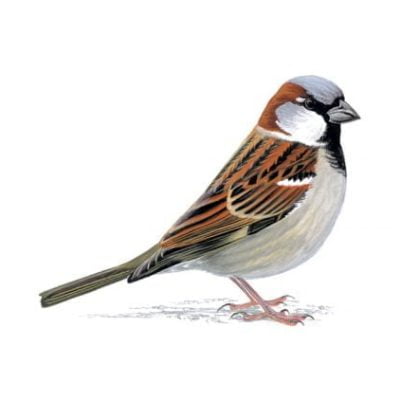
Did you know that songbirds need to warm up like an opera singer before the dawn chorus and birds sing jazz for pleasure? It’s true. Researchers have now discovered that highly sociable house sparrows learn from each other and they each have their own individual …
The turtle dove population has declined by 78 percent between 1980 and 2015 due to sport hunting, shrinking habitat and disease (src: The Times). They spend two thirds of the year in sub-Saharan West Africa and the remainder of the year in their European breeding …
Professor Lauren Riters, the lead scientist in a study from the University of Wisconsin-Madison, which is published in the journal Scientific Reports believes that when birds sing for pleasure they like to sing jazz! Comment: they don’t know it is jazz. It is a human …